
Growing Olives: A Comprehensive Guide
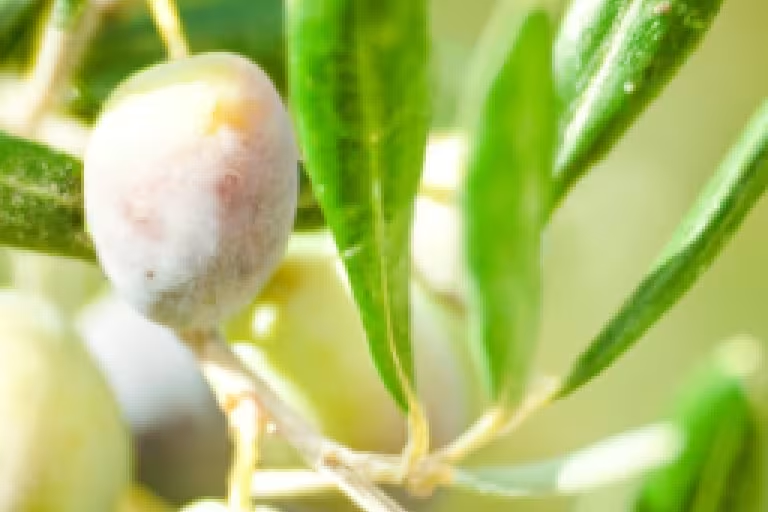
Olives, a symbol of peace and vitality, are one of the world's oldest cultivated trees, cherished not only for their fruit but also for their oil. Growing olives can be a rewarding endeavor, but it requires patience and the right conditions. This guide will cover the essentials of olive cultivation, from selecting the right varieties and understanding the climate requirements to planting, pruning, and harvesting your olive trees.
Selecting Olive Varieties: There are hundreds of olive varieties, each suited to different climates and uses. For oil production, varieties like 'Arbequina' and 'Koroneiki' are popular, while 'Manzanilla' and 'Kalamata' are favored for eating. Consider your local climate and intended use when selecting a variety.
Climate Requirements: Olives require a Mediterranean climate, characterized by hot, dry summers and mild, wet winters. They are tolerant of drought but cannot withstand extreme cold, especially when young.
Planting Your Olive Trees: Choose a sunny spot with well-draining soil. Space trees 20-30 feet apart to allow for mature growth. Plant in the spring or fall when temperatures are more moderate.
Care and Maintenance: Olive trees require minimal care once established. Water young trees regularly until they are well-rooted. Prune in late winter to early spring to maintain shape and encourage airflow, which is essential for preventing disease.
Harvesting: Olives are typically ready for harvest in the fall. Timing is crucial, as the flavor of the olives can vary greatly depending on their ripeness. Taste a few olives from different parts of the tree to determine the best time to harvest.
By following these guidelines, you can enjoy the rewarding process of growing your own olives, whether for personal use or commercial cultivation.